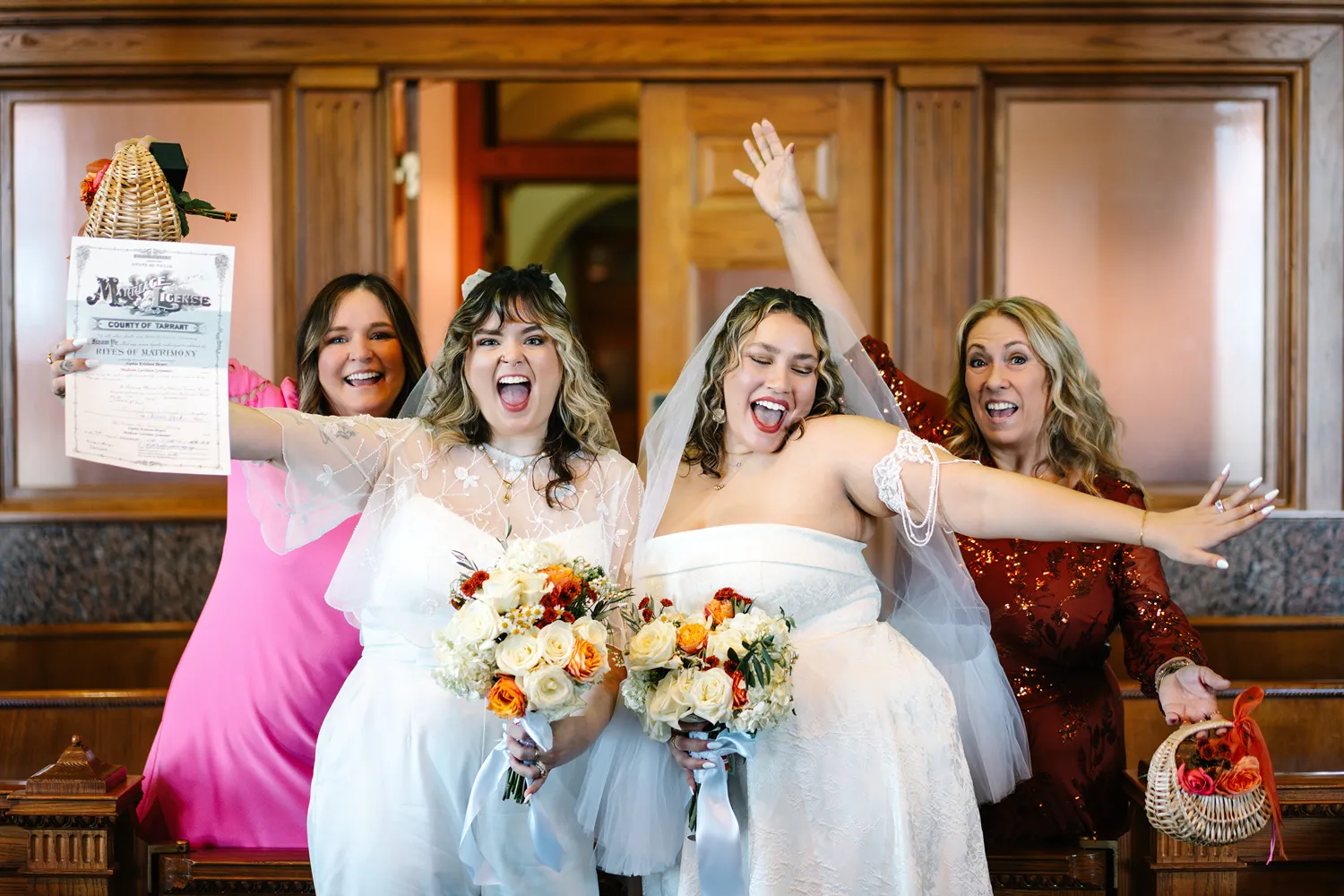
Elopement vs Traditional Wedding: How to Decide What’s Right for You
An elopement is an intimate, intentional celebration focused on the couple, while a traditional wedding typically includes a larger guest list, structured timeline, and broader community celebration.
Elopements can be more cost-effective because they often involve fewer vendors, smaller guest counts, and simpler logistics, but cost depends on priorities and planning choices.
Yes. Many couples elope first and host a reception later, or choose a small ceremony followed by a larger party that blends both styles.
The choice depends on what you value most — intimacy and presence or community celebration and ritual. There is no right or wrong choice, only what feels aligned with your story.
Yes. Elopements are valid and meaningful celebrations that focus on intentional presence and connection, just like any other wedding.
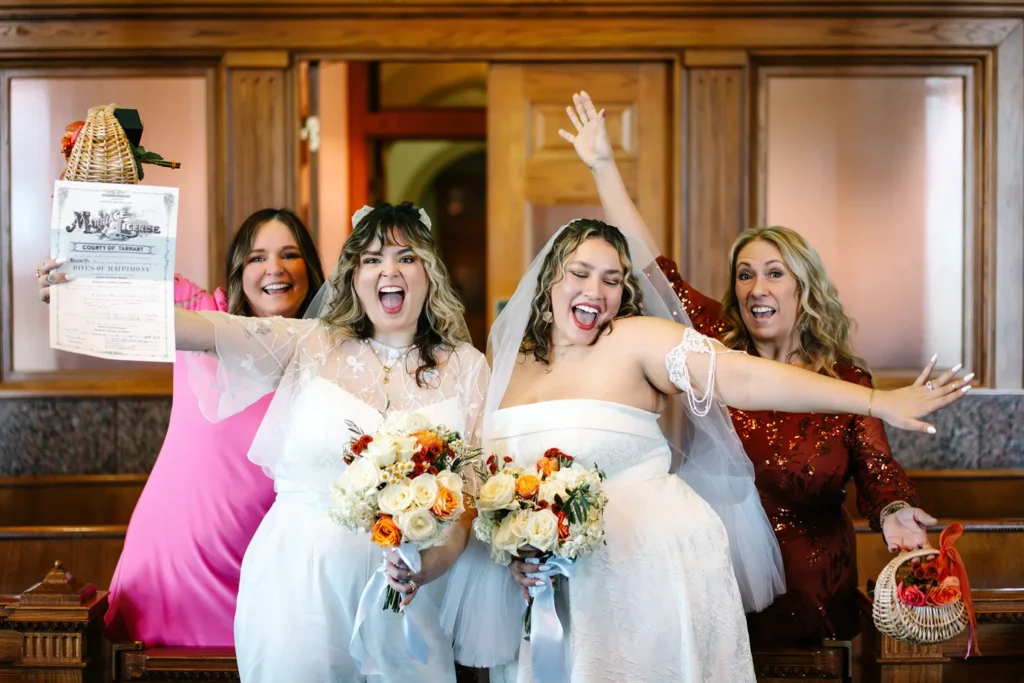
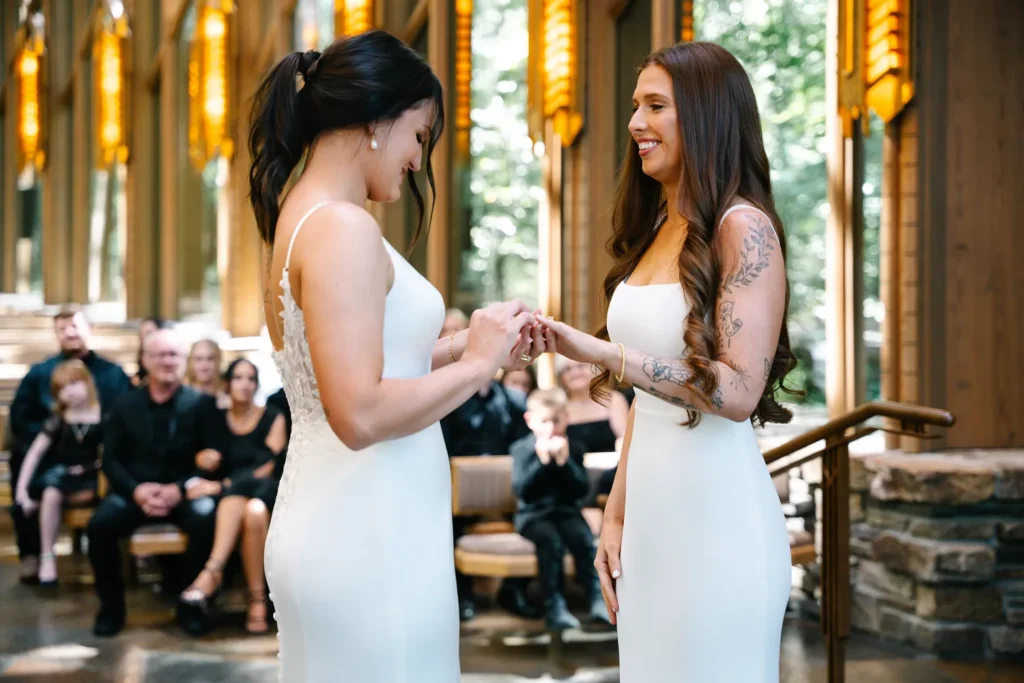
Weddings come in many forms. Some follow long-established traditions with big parties and extended celebrations. Others are intimate, intentional, and deeply personal. If you are planning your wedding, you’ve probably asked:
Should we elope or have a traditional wedding?
This is not a question with a one-size-fits-all answer. What matters most is choosing the format that feels aligned with your values, your love story, and how you want to show up for each other.
Here’s how elopements and traditional weddings differ — and how to decide which experience fits you best.
What Is an Elopement?
Elopement means intentionally choosing a pared-down, intimate celebration focused on your partnership. For some couples, elopement is a spontaneous choice. For others, it is a deliberate alternative to expectations, pressure, or traditions that feel distant from their identity and values.
Key Characteristics of Elopements
- Small guest count or just the couple
- Meaningful locations that reflect personal values
- Flexible timelines and schedules
- Prioritized intimacy over formality
Elopement is not less than a wedding. It is simply different — tailored to connection, freedom, and authenticity.
What Is a Traditional Wedding?
Traditional weddings tend to follow established customs and often include:
H3: Common Features of Traditional Weddings
- Larger guest lists
- Structured timelines (ceremony, cocktail hour, reception)
- Multiple vendors and coordinated logistics
- Formal traditions like first dances, cake cutting, and party flow
Traditional weddings can be meaningful, beautiful, and joyous. For many couples, they are the chance to celebrate with community and ritual.
How They Differ: Experience and Intention
Understanding how elopements and traditional weddings differ can help you clarify what kind of day you want.
Guest Count and Energy
Elopements prioritize presence over numbers. A traditional wedding is often about shared celebration with extended networks.
Intimate vs Communal
Elopements are designed for emotional presence with a select few or just the couple.
Traditional weddings offer communal celebration with family, friends, and wider communities.
Logistics and Planning
Elopements often require less logistical coordination than traditional weddings.
Planning Intimacy
Elopements can be booked more quickly, require fewer vendors, and allow for location-based flexibility. Traditional weddings often involve multiple vendor contracts, venue coordination, transportation, timelines, and guest management.
Cost Comparison
While elopements are not inherently cheap, they can be more cost-effective depending on how they are planned.
Where Costs Differ
Traditional weddings typically require:
- Larger venues
- Catering for many guests
- Larger vendor teams
- Formal reception arrangements
Elopements may focus spending on:
- Photography and videography that matters most
- A meaningful experience or destination
- Personalized elements that reflect your story
Costs shift based on priorities, not just format.
Emotional Experience
Some couples crave the collective celebration of a traditional wedding. Others want intimacy, presence, and focus on each other.
Feeling Present vs Performing
Elopements often allow couples to feel deeply present — because the day is built around connection. Traditional weddings often feel celebratory and full of energy — because they are built around community.
Neither is right or wrong. They are simply different ways to honor love.
Hybrid or Custom Celebrations
The wedding industry is evolving. Many couples choose something in between.
What a Hybrid Can Look Like
You might elope first and host a reception later.
You might have an intimate ceremony followed by a party with friends.
You might choose a small wedding size but tell a story intentionally.
There are no fixed rules. Your wedding experience should reflect who you are.
How to Decide What Feels Right
The choice between elopement and tradition comes down to this:
- What feels most like you?
- What matters most about this day?
- How do you want to feel when you look back?
- Do you want presence, ceremony, party, or all of the above?
Your answer will point you in the direction that feels authentic.
Final Thoughts
Elopement and traditional weddings are both valid, beautiful, and meaningful. What matters most is choosing the path that resonates with your values, your love, and your community.
If you want help exploring what kind of celebration fits your story — whether intimate, grand, or somewhere in between — we’re here to walk with you through all of it.
Related Reading: Explore our elopement work, see our full wedding portfolio, or read our guide on what really matters when planning an elopement.