How to Find Wedding Vendors Who Celebrate All Bodies and Love Stories
An affirming vendor acknowledges and supports diverse identities, body types, and relationships through inclusive language, respectful interaction, and representation in their work.
Look for gender-neutral language, representation of diverse couples in portfolios, comfortable consultations, and explicit community engagement.
Yes. Asking specific questions about experience with LGBTQ weddings and inclusive practices helps you assess whether they align with your values.
Yes. Inclusive vendors should be comfortable with various ceremony structures, chosen family dynamics, and unique wedding expressions without assumptions.
Trust your instincts. If language or behavior feels narrow or default, it is okay to keep looking for vendors whose values align with yours.
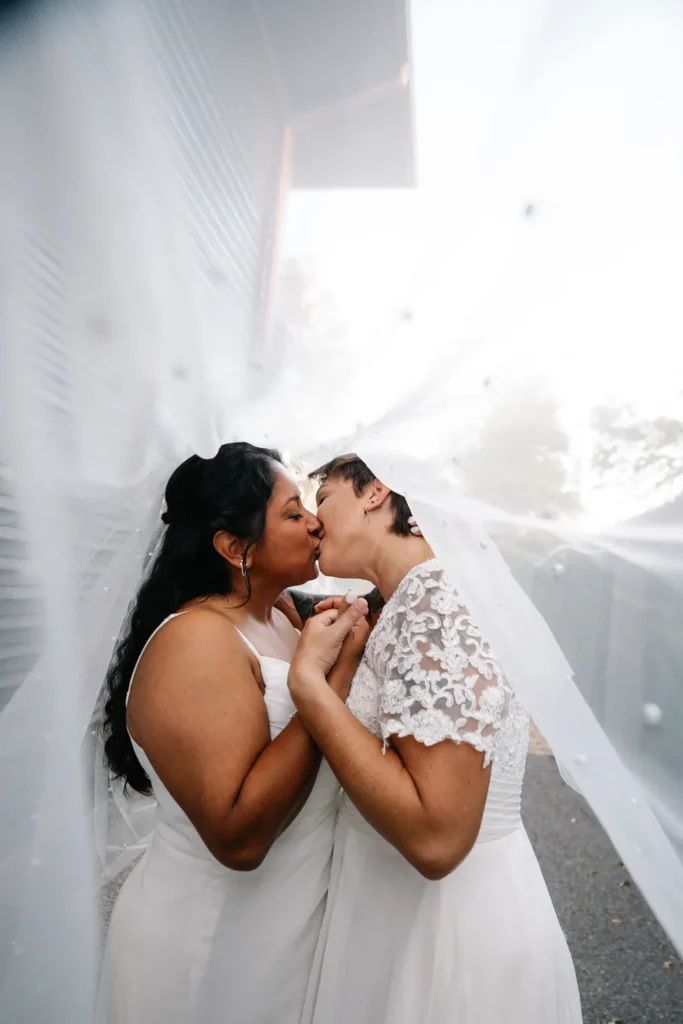
Your wedding is a celebration of your love story. Every vendor you choose contributes to that narrative — from the photographer who captures your first look to the planner who helps your day unfold.
But not all vendors are created equal.
For many couples, especially LGBTQ couples and couples with nontraditional bodies and identities, the vendor search comes with extra layers of concern. You do not just want someone who can do the job. You want someone who celebrates all bodies, all love stories, and all identities with joy and respect.
This guide walks you through how to find wedding vendors who see you, support you, and celebrate your wedding in a way that feels authentic and affirming.
Start With Inclusive Language on Their Website
Before you even reach out, pay attention to how vendors talk about love, relationships, and ceremonies.
What to Look for in Their Words
Inclusive vendors use language that reflects the real world, not outdated templates. Look for:
- Gender-neutral language like partners or couple
- Pronoun sharing and respectful usage
- Mention of LGBTQ weddings, gender-affirming celebrations, and chosen family
- Language that acknowledges diverse bodies and experiences
If a vendor’s language feels narrow, default, or exclusionary, trust that impression.
Look for Representation in Their Portfolio
Pictures are powerful, but who appears in them matters.
What Representation Tells You
An affirming vendor’s portfolio will show:
- Same gender and gender expansive couples
- People of all body types
- Weddings that don’t look uniform or cookie-cutter
- Real moments, not staged templates
Representation here is not performative. It signals that the vendor has experience with real weddings that reflect real lives.
Ask Intentional Questions in Consultations
The consultation is your chance to assess alignment — not just style.
Questions That Reveal Values
Try asking:
- Have you worked with LGBTQ couples and nontraditional bodies before?
- How do you ensure all clients feel safe and respected?
- Can you share examples of weddings where inclusivity was central to the experience?
- How do you handle pronouns and gender expansive language during the workflow?
Their answers tell you whether inclusion is surface-level or core to their process.
Notice How They Talk About Safety and Comfort
Affirming vendors do more than check boxes. They create environments where you feel seen.
What to Observe
During your consultation, pay attention to:
- Whether they normalize pronoun sharing
- Whether they proactively ask how you want to be referred to
- How comfortable you feel in the conversation
- Whether they acknowledge power dynamics and emotional safety
Inclusion only matters if you can feel it tangibly.
Look for Community Engagement and Advocacy
True affirmation extends beyond weddings.
What Community Connection Looks Like
Inclusive vendors often:
- Support or participate in community events
- Educate themselves beyond Pride Month
- Share resources that uplift marginalized voices
- Partner with other affirming vendors
Community engagement shows they are part of the ecosystem you want supporting your wedding.
Check Reviews and Testimonials
Clients say things vendors might not.
What Reviews Can Reveal
Look for reviews that speak to:
- Respect and empathy
- Affirmation of identity
- How comfortable couples felt
- Moments where vendors went above and beyond
Reviews from couples with similar identities or wedding styles are especially valuable.
Trust Your Nervous System
Your intuition matters.
Comfort and Alignment Are Not Optional
You should feel safe, seen, and understood when you engage with a vendor. If a conversation leaves you second-guessing or explaining yourself, they might not be the right fit.
Vendors are part of your wedding experience. They shape your memories and influence how you feel on your wedding day. Choose people who create ease, not tension.
Final Thoughts
Finding wedding vendors who celebrate all bodies and love stories transforms your entire planning experience.
When you work with vendors who affirm your identity, value your narrative, and reflect your community, your wedding day becomes more than a beautiful event. It becomes a space where you are truly seen.
If you are planning your wedding and want help connecting with affirming vendors — from photographers to planners to officiants — we would love to walk with you through the search.