
How to Build a Stress-Free Wedding Timeline You’ll Actually Enjoy
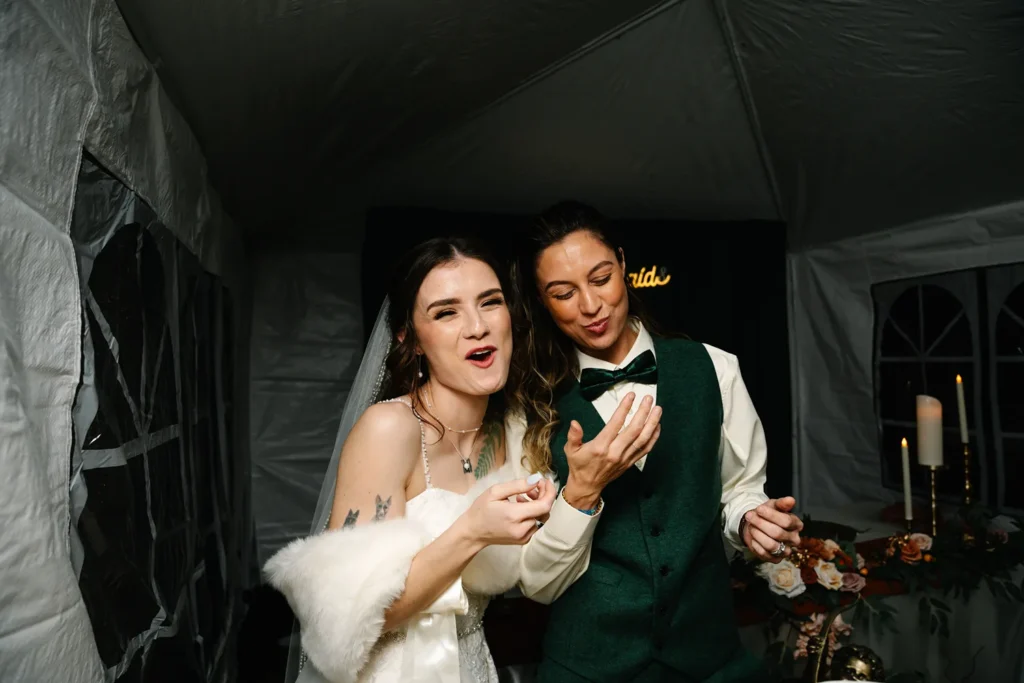
A stress-free wedding timeline is a schedule built around your priorities, with buffer time and intentional sequencing so your day flows without feeling rushed or chaotic.
Buffer time helps absorb delays, transitions, and the unexpected so your day stays calm and moments are not rushed.
Important moments to prioritize often include first looks, portraits, ceremony, family photos, and golden hour coverage.
Yes. Photographers, videographers, planners, and venues all have practical experience with timelines and can offer insight to make yours work smoothly.
A timeline built with intention gives couples space to be present, enjoy key moments, and avoid feeling rushed or overwhelmed.
Planning a wedding can feel like a full-time job. Between vendors, family logistics, ceremonies, portraits, and celebrations, it is easy for the timeline to become overwhelming.
But it does not have to be that way.
A well-designed timeline helps your day flow naturally, keeps stress low, and gives you space to be present with the people you love — especially your partner. This blog walks you through how to build a wedding day timeline that feels centered on connection, not chaos.
Start With What Matters Most
Every wedding is different, and your timeline should reflect your values — not someone else’s template.
Ask Yourself These Questions
Before building a timeline, consider:
- What moments are most important to you?
- Do you want alone time with your partner before the celebration?
- Is photography a priority during golden hour?
- Do you care about dinner speeches, a sunset first look, or a long party?
Your answers to these questions are the foundation of a timeline that actually feels like your wedding day.
Structure the Day Around Energy, Not Pressure
Wedding days are emotional, and energy ebbs and flows.
The Highs and Lows of a Wedding Day
Most couples experience:
- Morning calm (getting ready)
- Anticipation before the ceremony
- Emotional peaks during vows
- Celebration and release during reception
Your timeline should match the rhythm of your day — not create unnecessary friction.
Build in Buffer Time
Buffer time is one of the biggest things couples forget — and feel it on the wedding day.
Why Buffer Time Matters
Delays happen. Hair takes longer than expected. Traffic slows down. Family members arrive late. Instead of reacting to every interruption, your timeline should expect humanity.
A good rule of thumb is 15–30 minutes of buffer time between major events, especially transitions like:
- Getting ready → first look
- First look → ceremony
- Ceremony → family photos
- Portraits → reception entrance
Those gaps keep your day calm and prevent stress from stacking.
Prioritize Key Moments in Your Timeline
Certain points in the day are worth protecting because they capture emotion you will want to remember forever.
The Moments You Should Guard
These moments are often listed in every photographer’s shot list for a reason:
- First look with your partner
- Solo portraits of each partner
- Ceremony with vows and readings
- Family and chosen family portraits
- Golden hour couple portraits
- Reception entrance and first dance
Protecting these moments gives you both memory and artistry.
Work With Your Vendors (They Know What Works)
Your photographer, videographer, planner, and venue all have experience with timelines.
Vendor Collaboration Makes It Smoother
Professionals see timelines play out hundreds of times. They notice patterns like:
- How long family photos realistically take
- How sunset shifts with the seasons
- What runs late on average
- How to sequence coverage to avoid downtime
Including your vendors early prevents surprises and makes your timeline feel intuitive rather than forced.
Customize Your Timeline Based on Your Wedding Type
Different weddings call for different pacing.
Example Timeline Frameworks
Micro Wedding (Up to 20 Guests)
- Getting ready
- Intimate ceremony
- Couple portraits
- Small celebration or dinner
Full Wedding Day
- Getting ready
- First look
- Portraits
- Ceremony
- Family photos
- Golden hour portraits
- Reception entrance
- First dance + party
Elopement
- Arrival at location
- Personal vows or ceremony
- Portraits together
- Adventure photos in chosen landscape
Timeline structure should feel like your story, not a copy of someone else’s.
Keep the Day Focused on People, Not Tasks
A timeline that feels stressful is one that feels mechanical — like a to-do list.
Slow Down the Moments That Matter
Instead of rushing through:
- Hair and makeup to portraits
- Ceremony to family photos to reception
Build space for:
- Quiet breaths with your partner
- Laughter with your party
- Moments of stillness before celebration
These are the memories worth taking time for.
Final Thoughts
Your wedding day is a once-in-a-lifetime experience. A stress-free timeline doesn’t happen by accident — it is designed with intention, care, and clarity.
When you center what matters most to you and integrate professional insight, your day becomes smoother, calmer, and more joyful.
If you want help building a timeline that feels aligned with your vision, we’d love to help you plan a day that gives you both the calm and celebration you deserve.